How to Maintain a Ketsi: Caring for Your Faithful Companion in Georgian Cooking
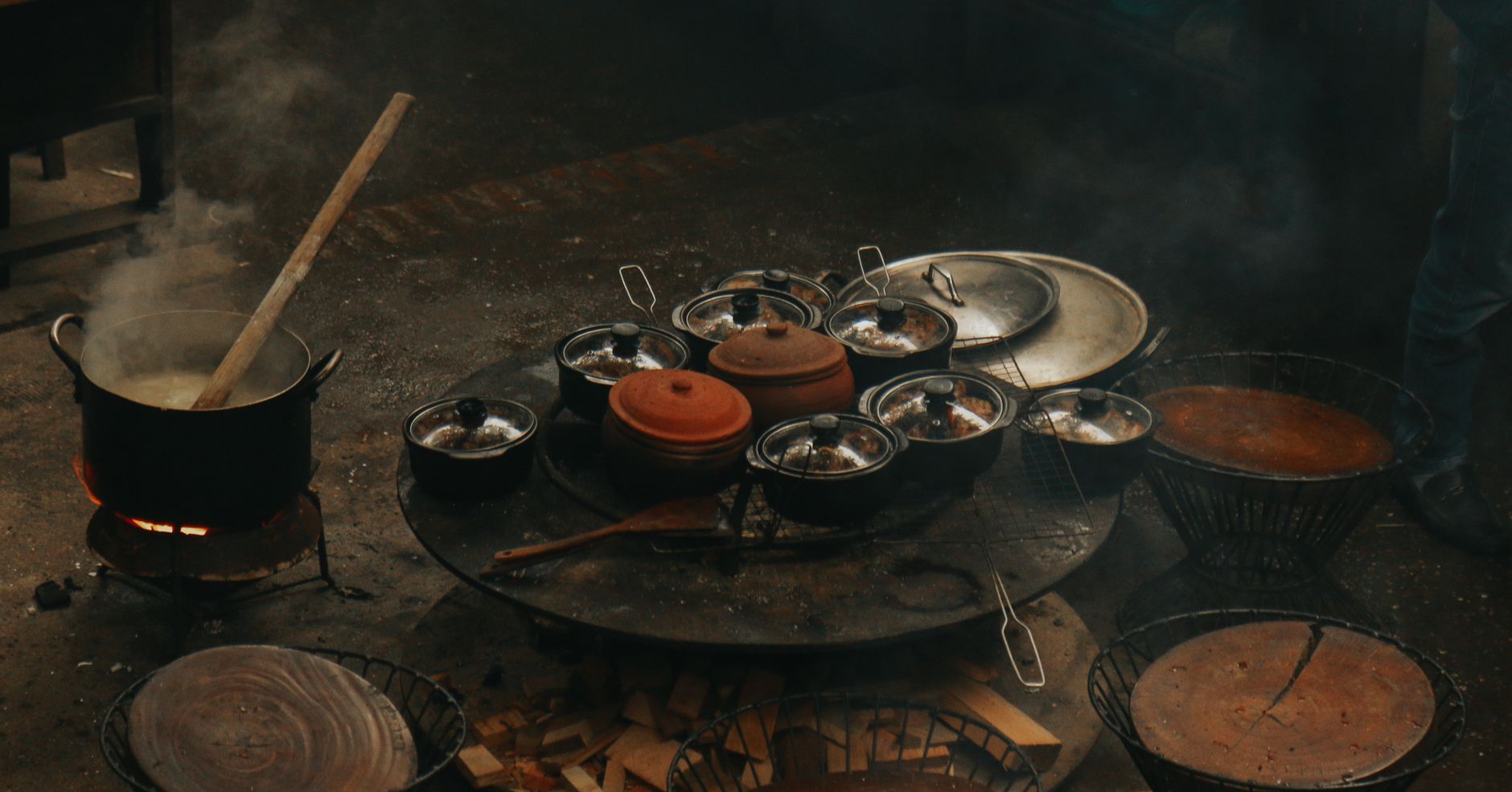
Ketsi — A Tradition That Requires Care
In the heart of Sighnaghi, in the kitchen of "Golden Lion," the flavor of every dish is directly linked to the vessel in which it is prepared. One of the most important attributes of Georgian gastronomy is the ketsi — a traditional clay vessel that not only heats food but also imparts that unique, earthy aroma found only at a genuine Georgian table. However, for a ketsi to serve you deliciously for years to come, it requires proper care.
The First Step: "Seasoning" the Ketsi
Never use a newly purchased ketsi right away. Clay is a natural, porous material, so it requires preliminary preparation:
- Washing: For the first time, wash it with warm water without any chemical detergents.
- Greasing: Rub the surface of the ketsi thoroughly with vegetable oil or natural fat. Then, place it in the oven at a low temperature for about 30-40 minutes. This procedure "seals" the pores of the clay, making the vessel more durable and preventing food from sticking.
Daily Care Rules
If you want your dishes, whether it be fried mushrooms or meat, to always be perfect, follow these simple tips:
- No Detergents: Never use dishwashing gels or chemical solutions. Clay absorbs everything, so the taste of detergent will definitely ruin your next dish. Use only warm water and a natural brush or a coarse sponge.
- Temperature Regulation: A ketsi does not "like" sharp temperature changes. Do not put a cold ketsi directly into a preheated oven — let it warm up gradually. Otherwise, the clay may crack.
- Proper Drying: After washing, be sure to dry the ketsi thoroughly before storing it in a cupboard. Damp clay develops an unpleasant odor over time and may even grow mold.
What Should We Know for Longevity?
Over time, a ketsi changes color, becoming darker and glossier. This is a sign that the vessel is "maturing" and acquiring its best qualities. At "Golden Lion," we honor traditions and believe that the more often you use your ketsi, the more aromatic the dishes prepared in it will be.
If the ketsi is damaged or cracked, unfortunately, it is difficult to repair. However, with proper care, it will serve you for decades as an essential part of your kitchen.
We look forward to seeing you at "Golden Lion" to personally taste dishes prepared in a ketsi, infused with love and Georgian hospitality!