Clay Ketsi: The Secret Ingredient of Traditional Georgian Dishes
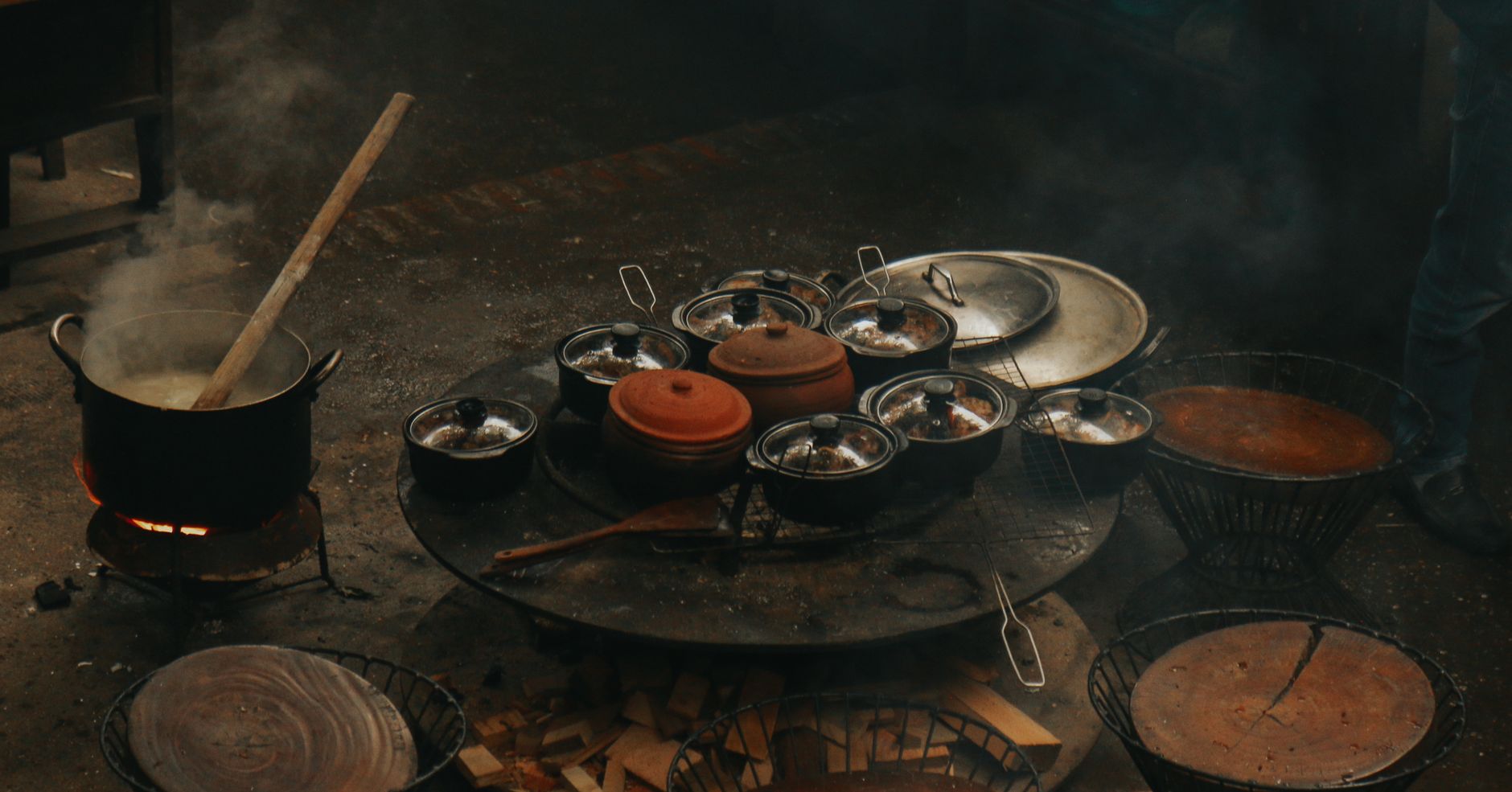
The Magical Power of Ketsi: Why Do We Value It in Traditional Cooking?
When tasting Georgian dishes, we often admire their flavor and aroma, yet much depends not just on the ingredients, but on the vessel in which they are prepared. In Kakheti, where traditions are passed down through generations, the clay ketsi is a constant companion. It is not merely kitchen equipment; it is part of the space where Georgian hospitality is born.
Clay vs. Metal: Why Choose Ketsi?
Today, there are many types of cookware on the market. Some modern pans promise quick searing, but they can never replicate the results of clay. The main difference lies in heat distribution. Metal cookware heats up quickly and transfers intense heat to the food, which can cause the surface to burn while the inside remains raw. The clay ketsi, however, heats slowly and evenly, allowing the dish to cook in its own juices. This process highlights the true flavor and aroma of the ingredients.
The Role of Ketsi on a Perfect Table
When planning a dinner, the ketsi holds a special place. Mchadi (cornbread) baked on a ketsi acquires a golden crust and a distinct flavor that no modern oven can replicate. The same applies to mushrooms on a ketsi—baked with cheese and butter, the dish is brought to the table sizzling hot in the clay vessel. This creates the quintessential Georgian supra, where every detail has significance.
How to Care for a Ketsi?
Clay is a living material and requires special care. It is important to properly prepare a new ketsi before its first use. We recommend seasoning the ketsi well with vegetable oil and firing it a few times. Also, remember that clay is sensitive to sudden temperature changes. Never place a hot ketsi on a cold surface, as it may crack. In our restaurant, okroslomi.ge, we treat every ketsi with great care so that your dinner leaves the best possible impression.
Conclusion
If you want to experience authentic Georgian flavors, pay attention to how your food is prepared. The ketsi not only retains temperature but also revives the ancient traditions that make our cuisine so special. Visit us in Sighnaghi, taste our dishes, and feel the magic of the ketsi that makes every bite unforgettable.